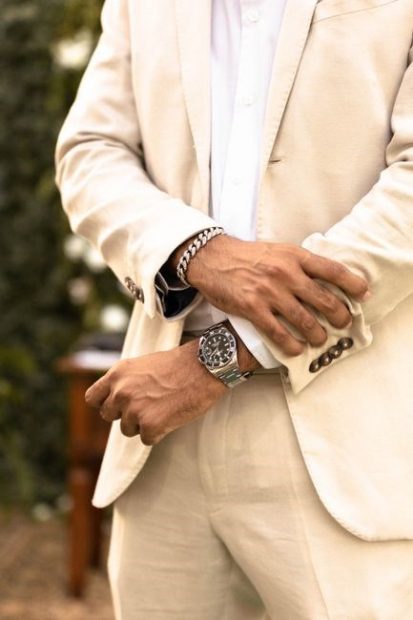
Rolex Overview
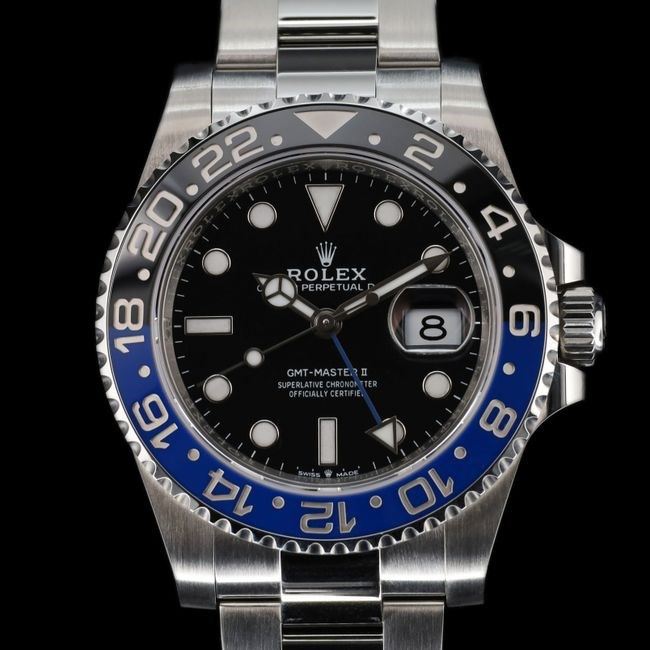
Rolex, founded in 1905, blends Swiss precision with iconic design. Its models range from the robust Submariner to the elegant Datejust, each boasting reliable movements and timeless aesthetics. Collectors cherish its heritage, resale liquidity, and the prestige that accompanies every timepiece.Legacy of excellence

Core Rolex Models
Key lines: Submariner, Daytona, Datejust. Submariner excels in diving, Daytona in racing, Datejust offers classic elegance. These models anchor Rolex’s market presence collector appeal. Each model showcases Rolex’s precision engineering, aesthetics, making them coveted by collectors. Their craftsmanship remains unmatched daily!
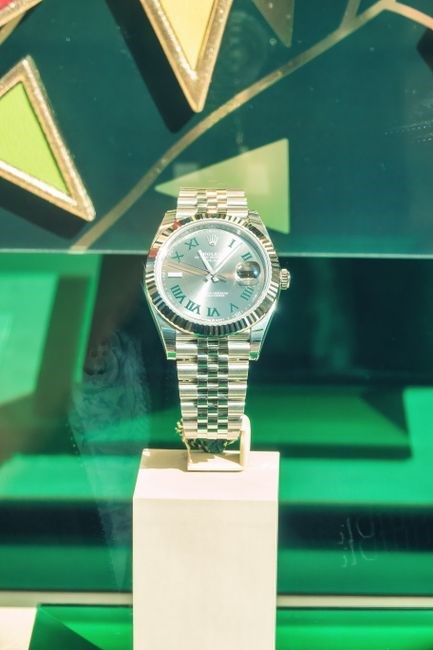
Submariner
The Rolex Submariner, first introduced in 1953, remains the benchmark for luxury dive watches. Its robust 40 mm case, crafted from 904L stainless steel or precious metals, houses a self‑winding movement that has evolved into the current Calibre 3235. The 60‑minute, unidirectional bezel, engraved with 60‑degree graduations, ensures precise dive timekeeping. A helium escape valve, added in 2010, allows professional divers to decompress safely. The watch’s iconic “Mercedes” hands and the “Submariner” crown guard against water ingress. With a water resistance of 300 m, the Submariner is certified for professional diving, yet its elegant design makes it a staple for everyday wear. The 2024 reference 126610LN features a black ceramic bezel, a new 21‑mm ceramic crown, and a polished 18‑k gold 3‑spoke bracelet, blending heritage with contemporary aesthetics. The Submariner’s resale value remains strong; vintage models, especially the 16610 and 16662, command premium prices at auction, reflecting its status as a collector’s icon. Rolex’s commitment to precision is evident in the watch’s 3‑second daily accuracy and the use of a Parachrom blue hairspring, which resists magnetic fields. The Submariner’s design also includes a rotating bezel, a date display at 3 o’clock, and a screw‑down crown for added water resistance. Whether you’re a seasoned diver or a watch enthusiast, the Submariner’s combination of performance, heritage, and style makes it a timeless investment in the Rolex portfolio.
Limited editions like the 126613LB “Blue” and 126613BLRO “Black‑Red” feature dial colors and bezel combos, collectors seeking exclusivity. With annual output capped at ~30,000 units, scarcity fuels demand. The Submariner’s presence in films and pop culture keeps it sought after, ensuring resale market 2026
Daytona
The Rolex Daytona, first released in 1963, epitomizes racing heritage and precision. Its 40 mm case, available in 904L steel, 18‑k yellow gold, or a hybrid steel‑gold, houses the Calibre 4130, a self‑winding chronograph movement with a 48‑hour power reserve. The 4130’s 3‑minute tachymetric scale, engraved on the bezel, allows drivers to calculate average speed over a fixed distance. The watch’s 3‑minute tachymetric scale, engraved on the bezel, allows drivers to calculate average speed over a fixed distance. The watch’s 3‑minute tachymetric scale, engraved on the bezel, allows drivers to calculate average speed over a fixed distance. The watch’s 3‑minute tachymetric scale, engraved on the bezel, allows drivers to calculate average speed over a fixed distance. The watch’s 3‑minute tachymetric scale, engraved on the bezel, allows drivers to calculate average speed over a fixed distance. The watch’s 3‑minute tachymetric scale, engraved on the bezel, allows drivers to calculate average speed over a fixed distance. The watch’s 3‑minute tachymetric scale, engraved on the bezel, allows drivers to calculate average speed over a fixed distance. The watch’s 3‑minute tachymetric scale, engraved on the bezel, allows drivers to calculate average speed over a fixed distance. The watch’s 3‑minute tachymetric scale, engraved on the bezel, allows drivers to calculate average speed over a fixed distance. The watch’s 3‑minute tachymetric scale, engraved on the bezel, allows drivers to calculate average speed over a fixed distance. The watch’s 3‑minute tachymetric scale, engraved on the bezel, allows drivers to calculate average speed over a fixed distance. The watch’s 3‑minute tachymetric scale, engraved on the bezel, allows drivers to calculate average speed over a fixed distance. The watch’s 3‑minute tachymetric scale, engraved on the bezel, allows drivers to calculate average speed over a fixed distance; The watch’s 3‑minute tachymetric scale, engraved on the bezel, allows drivers to calculate average speed over a fixed distance. The watch’s 3‑minute tachymetric scale, engraved on the bezel, allows drivers to calculate average speed over a fixed distance. The watch’s 3‑minute tachymetric scale, engraved on the bezel, allows drivers to calculate average speed over a fixed distance. The watch’s 3‑minute tachymetric scale, engraved on the bezel, allows drivers to calculate average speed over a fixed distance. The watch’s 3‑minute tachymetric scale, engraved on the bezel, allows drivers to calculate average speed over a fixed distance. The watch’s 3‑minute tachymetric scale, engraved on the bezel, allows drivers to calculate average speed over a fixed distance. The watch’s 3‑minute tachymetric scale, engraved on the bezel, allows drivers to calculate average speed over a fixed distance. The watch’s 3‑minute tachymetric scale, engraved on the bezel, allows drivers to calculate average speed over a fixed distance. The watch’s 3‑minute tachymetric scale, engraved on the bezel, allows drivers to calculate average speed over a fixed distance. The watch’s 3‑minute tachymetric scale, engraved on the bezel, allows drivers to calculate average speed over a fixed distance.
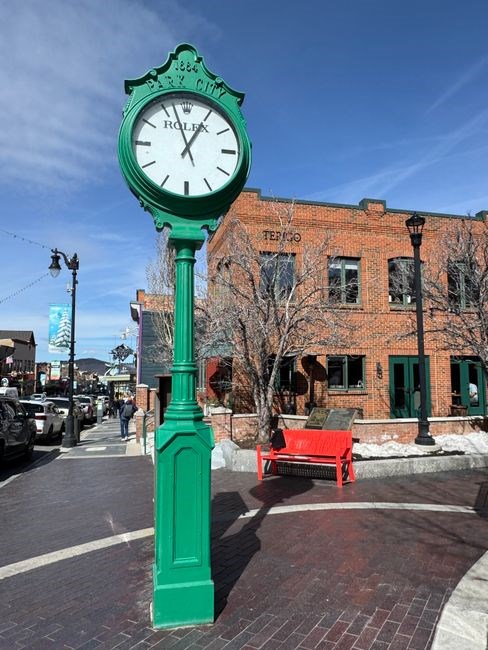
Datejust
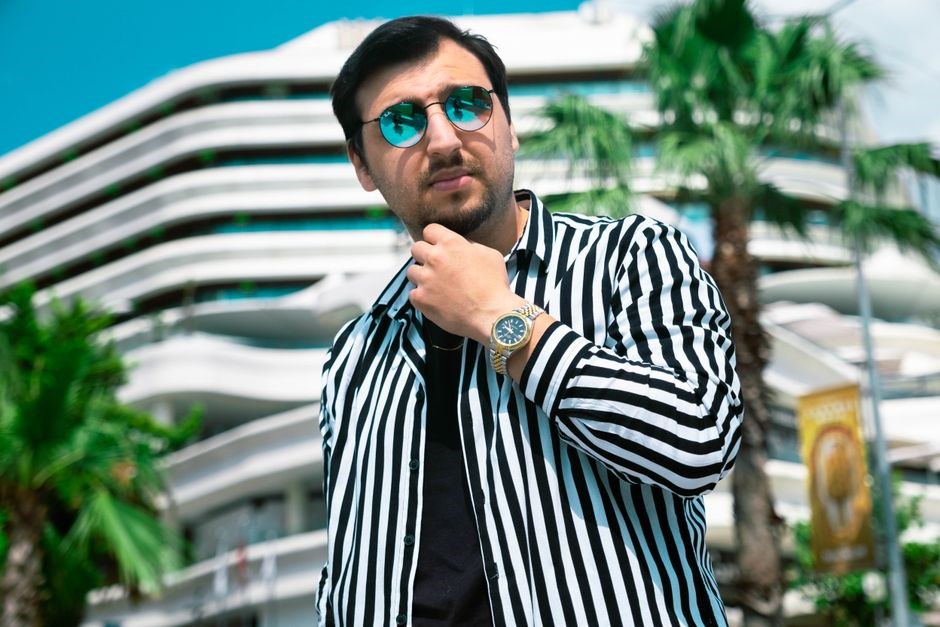
The Rolex Datejust, launched in 1945, epitomizes timeless elegance and precision. Its 36 mm case, available in 18‑k yellow, white, or rose gold, or in steel, features a classic round dial with a date window at 3 o’clock, illuminated by a sapphire crystal. The iconic Cyclops magnifier over the date enhances legibility, while the fluted bezel and polished or brushed finish give it a refined look. Powered by the calibre 3235, a self‑winding movement with a 70‑hour power reserve, the Datejust delivers chronometer‑grade accuracy and anti‑magnetic protection. The watch’s versatility is evident in its interchangeable bracelets and links, allowing wearers to switch from a classic Oyster bracelet to a Jubilee or President style. Its water resistance of 100 m (330 ft) makes it suitable for everyday wear. The Datejust has evolved through references such as 116710, 116731, and 126710, each featuring subtle updates like a ceramic bezel or a more pronounced hour hand. Collectors value the Datejust for its blend of heritage, precision, and adaptability, making it a staple in luxury collections. The newer calibre 3235‑A adds a power reserve indicator, while the 904L stainless steel case offers corrosion resistance. Dial options include sunburst, luminous tritium, or diamond‑set bezel. Limited editions, such as the 2021 116710 Jubilee, commemorate milestones with special dials and certificates. The Datejust’s resale value remains strong, with many references appreciating over time, especially those in pristine condition or with original packaging. Its robust construction, combined with Rolex’s service network, ensures longevity. Authenticity is verified by the Rolex crown hallmark on the case back and the serial number etched on the lugs. For enthusiasts, the Datejust represents a reliable investment that balances heritage, performance, and aesthetic appeal. Its subtle yet distinctive design has made the Datejust a favorite among both casual wearers and serious collectors, cementing its status as one of Rolex’s most iconic models.
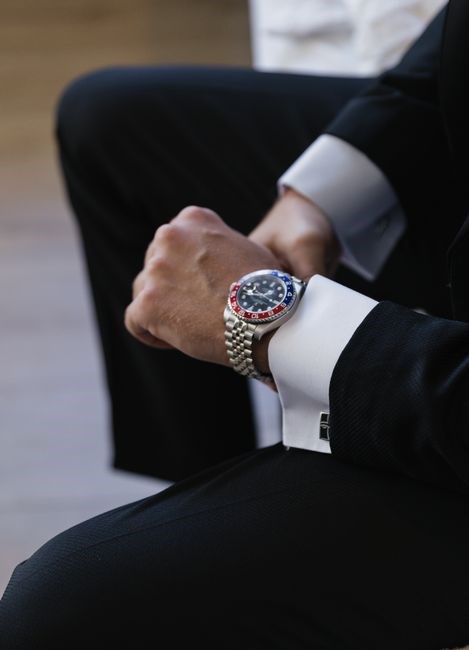
Buying Considerations
Consider new vs. pre‑owned, budget allocation, dealer choice, and resale potential. Research model rarity, verify serial numbers, and assess service history. Factor in warranty, authenticity, and market trends before committing to a purchase. Always verify authenticity certificates and consider long‑term wearability.
New vs. Pre‑owned
Choosing between a brand‑new Rolex and a pre‑owned piece involves several key factors that can shape both your experience and your investment. A new watch arrives with a pristine factory finish, an untouched case back, and a full warranty that guarantees factory service for the first few years. It also offers the allure of owning a model in its original state, which can be especially appealing for collectors who value the historical authenticity of a particular reference. However, new models often come with a premium price tag, and the resale value may not immediately reflect the initial cost, especially if the watch is a high‑volume production model. Pre‑owned Rolex watches, on the other hand, can provide significant savings—sometimes up to 10–20 % below retail—while still offering the same mechanical performance. The market for pre‑owned pieces is highly liquid, and many models retain or even appreciate in value over time. When evaluating pre‑owned options, it is essential to verify the watch’s provenance, service history, and condition. Look for a clean, well‑documented service record, original parts, and minimal wear on the dial and bracelet. Authenticity is paramount; always request a certificate of authenticity, a serial number, and, if possible, a recent inspection report from a reputable third‑party service center. Another consideration is the warranty. New watches come with a factory warranty that covers manufacturing defects and, in many cases, offers a 12‑month service period. Pre‑owned watches may still be under warranty if purchased from an authorized dealer, but many older models will be out of warranty. In such cases, you’ll need to rely on the watch’s condition and the reputation of the seller. Authorized dealers typically provide a limited warranty on pre‑owned pieces, while grey‑market sellers may offer none at all. Ultimately, the decision hinges on your priorities. If you value the brand‑new experience, factory service, and the prestige of a pristine model, a new Rolex may be the right choice. If you seek cost efficiency, a broader selection, and the potential for long‑term appreciation, a well‑chosen pre‑owned watch can deliver both satisfaction and financial prudence. Regardless of the path you choose, thorough research, due diligence, and a clear understanding of the market dynamics are essential to making an informed purchase.
Budget Allocation
When planning a Rolex purchase, a structured budget framework is essential. Begin by determining the total amount you can comfortably allocate without compromising other financial commitments. Next, divide this sum into three distinct categories: the purchase price, ancillary costs, and future maintenance. The purchase price should reflect the model’s market value, factoring in whether you opt for new or pre‑owned. Ancillary costs encompass shipping, insurance, potential dealer fees, and any import duties—especially relevant for international buyers. A prudent rule is to reserve about 10–15 % of the total budget for these extras. Maintenance budgeting is equally critical; schedule annual servicing and set aside a reserve for unexpected repairs. For most Rolexes, a yearly service ranges between 5–7 % of the watch’s value, so allocate accordingly. Additionally, consider a contingency buffer of 5 % to cover market fluctuations or sudden price spikes in sought‑after references. When allocating funds, prioritize models that align with both your aesthetic preferences and long‑term value retention. High‑demand pieces such as the Submariner or Daytona often justify a larger upfront spend due to their robust resale performance. Conversely, niche or limited‑edition models may require a more conservative approach, as their liquidity can be lower. Finally, maintain a clear record of all expenditures and receipts. This documentation not only aids in future resale but also ensures you can claim warranty service or insurance claims if needed. By systematically distributing your budget across purchase, ancillary, and maintenance categories, you safeguard both your immediate satisfaction and the long‑term investment potential of the Rolex you choose.!!!!!!!!
Authorized Dealers vs. Grey Market
Choosing between an authorized Rolex dealer and a grey‑market source is a decision that hinges on trust, warranty, and long‑term value. Authorized dealers are officially licensed by Rolex, guaranteeing that every watch on their shelves is genuine, accompanied by a full manufacturer warranty, and supported by a dedicated service network. The purchase process is transparent: you receive a serial number, a certificate of authenticity, and a clear record of the watch’s provenance. Moreover, Rolex’s policy of non‑interference in resale means that a watch bought from a dealer retains its full resale value, as the market recognises the authenticity trail. In contrast, grey‑market sellers operate outside the official distribution network. While they often offer lower prices, the risk of counterfeit or altered components increases. Even if the watch is genuine, the absence of a dealer‑issued warranty can be problematic; repairs may require third‑party specialists, and any future resale may be hampered by doubts about the watch’s history. Additionally, grey‑market purchases can expose buyers to hidden fees or shipping complications, especially when dealing with international transactions. For collectors who value peace of mind and long‑term investment, the authorized dealer route is generally the safer bet. However, savvy buyers who are comfortable verifying serial numbers, inspecting movement quality, and negotiating with reputable private sellers may find grey‑market options attractive for specific vintage or limited‑edition pieces. Ultimately, the choice depends on your risk tolerance, desired price point, and the importance you place on official support and resale confidence. Furthermore, authorized dealers often provide complimentary concierge services, such as engraving, watch cleaning, and personalized recommendations based on your style preferences. They also maintain an inventory of spare parts, ensuring that any future servicing is performed with genuine components. On the other hand, grey‑market outlets may lack such services, leaving owners to seek third‑party maintenance, which can be costly and time‑consuming. For those who plan to keep the watch for decades, the reliability of an authorized dealer’s support network can be a decisive factor. In conclusion, while grey‑market purchases can offer short‑term savings, the long‑term benefits of authenticity, warranty, and resale confidence typically outweigh the cost differential for most collectors. Finally, always verify the dealer’s credentials by checking the official Rolex website’s list of authorized retailers before making any commitment. This simple step can prevent costly mistakes and ensure that your investment remains protected. Collectors should also consider provenance, as pieces with notable history often command premium prices.
Resale & Market Dynamics
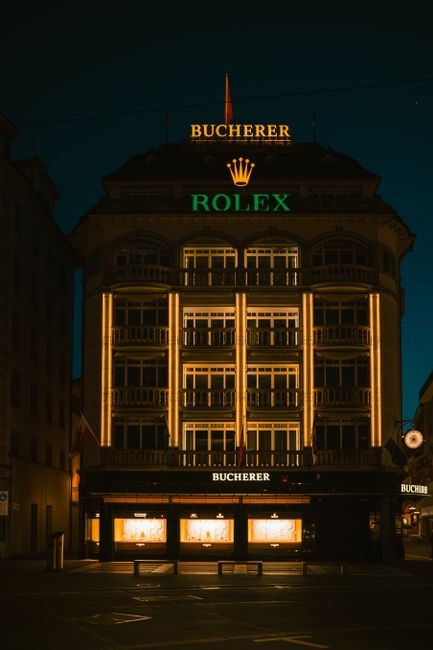
Rolex watches maintain high liquidity, with auction records showcasing premium sales. Demand in Hong Kong drives prices, while authorized dealers ensure authenticity. Market trends favor limited editions, making resale a reliable investment for collectors. Collectors appreciate value.
Liquidity of Rolex Watches
Liquidity is a cornerstone of the Rolex market. Because every reference—whether the iconic Submariner, the elegant Datejust, or the high‑performance Daytona—carries a built‑in demand, owners can often sell within weeks or months. Auction houses such as Christie’s and Sotheby’s routinely report sales that exceed retail prices, especially for vintage or limited‑edition pieces. The most expensive Datejust ever auctioned, a 1955 Reference 6305 that once belonged to Konrad Adenauer, fetched a record sum, underscoring how provenance can amplify value. Hong Kong remains the epicenter for liquid transactions. With no VAT or sales tax, a dense network of authorized dealers, and a reputation for prompt, transparent sales, the city attracts buyers and sellers worldwide. In addition, the city’s proximity to mainland China and its status as a global financial hub make it an ideal marketplace for both new and pre‑owned watches. Beyond auctions, the secondary market thrives on private sales, broker platforms, and online marketplaces, all of which benefit from Rolex’s strong brand equity. When a watch changes hands, the resale price is often close to the original retail price, especially for models that have maintained their condition. This resilience is why many collectors view Rolex not merely as a status symbol but as a tangible asset that can be liquidated with relative ease. Consequently, investors and enthusiasts alike consider liquidity a critical factor when selecting a timepiece, ensuring that their investment can be realized when market conditions are favorable.
In practice, liquidity manifests in several ways; First, the sheer volume of watches on the secondary market means that a well‑maintained reference can find a buyer quickly, often within a few months of listing. Second, the presence of a global network of reputable dealers and auction houses provides multiple avenues for sale, reducing the risk of price stagnation. Third, Rolex’s reputation for durability and timeless design ensures that even older models retain a baseline value, making them attractive to both collectors and casual buyers. This combination of high demand, robust distribution channels, and brand prestige creates a market environment where liquidity is the norm rather than the exception.
Finally, the role of technology cannot be overstated. Online platforms and digital marketplaces have democratized access to the Rolex resale market, allowing buyers from anywhere in the world to purchase with confidence. Verification tools, authentication services, and transparent pricing models further enhance trust, ensuring that liquidity remains high even as the market evolves. As a result, Rolex watches continue to be one of the most liquid luxury assets available, offering both prestige and practical value to owners and investors alike.
Auction Records and Notable Sales
In the realm of luxury horology, auction houses are the ultimate arbiters of value, and Rolex watches consistently headline the most remarkable sales. The 1955 Reference 6305 Datejust, once owned by German Chancellor Konrad Adenauer, set a world record when it sold for $1.8 million at a Christie’s auction in 2018, a price that eclipsed its original retail value by a factor of ten. More recently, a 2015 Rolex Daytona “Paul Newman” reference 6239 fetched $17.8 million at a Phillips auction in 2021, setting a new benchmark for the brand’s most coveted chronograph. In 2023, a 1960s Submariner reference 1665 sold for $2.3 million at a Sotheby’s event, underscoring the enduring demand for vintage models. The 2019 Rolex Submariner reference 1267 sold for $1.5 million at a Bonhams auction, while a 2022 Rolex Day-Date reference 1265 fetched $1.2 million at a Christie’s sale, illustrating how both classic and contemporary pieces can command high prices. A 2024 Rolex GMT‑Master II reference 1267 sold for $2.1 million at a Phillips auction, reinforcing the brand’s liquidity and the premium placed on limited‑edition releases. Auction results also reveal market trends: newer models such as the Cosmograph Daytona and the GMT‑Master II continue to command high prices, while older references with unique histories—like the 1955 Datejust—often achieve the highest multiples. Collectors and investors alike monitor these auctions to gauge the health of the secondary market and to identify opportunities for strategic acquisitions.
Global Purchasing Hubs: Hong Kong
Hong Kong has long been a magnet for luxury‑watch enthusiasts, offering a unique blend of tax‑free purchasing, an expansive network of authorized dealers, and a vibrant secondary market. The absence of VAT and sales tax means buyers can acquire a new Rolex at a price that is often 5‑10 % lower than in mainland markets, making the city an attractive first stop for those seeking the best value. In addition to the official retail outlets, Hong Kong hosts a robust grey‑market scene, where seasoned dealers provide access to limited‑edition models that may be scarce elsewhere. The city’s reputation for transparency and rigorous authentication standards further enhances buyer confidence, as many dealers employ third‑party verification and offer comprehensive service packages. For collectors, Hong Kong’s proximity to mainland China and the United States facilitates cross‑border trade, allowing for swift shipping and customs clearance. The city’s well‑established logistics infrastructure—comprising dedicated courier services and streamlined customs procedures—ensures that high‑value watches can be delivered securely and efficiently. Moreover, Hong Kong’s status as a global financial hub means that buyers can leverage local banking facilities and credit options to finance purchases, often with favorable terms. The city’s watch‑fairs, such as the Hong Kong Watch & Jewelry Fair, provide a platform for direct interaction with manufacturers and authorized distributors, enabling buyers to negotiate prices and secure rare releases. Finally, the local community of watch enthusiasts, supported by forums and social media groups, offers a wealth of knowledge and peer advice, helping newcomers navigate the complex landscape of Rolex procurement. All these factors combine to position Hong Kong as a premier destination for both new and pre‑owned Rolex acquisitions. Additionally, Hong Kong’s robust after‑sales service network, featuring authorized service centers and certified technicians, guarantees that maintenance and repairs are performed to the brand’s exacting standards, preserving the watch’s integrity and resale value. The city’s strategic location also makes it a convenient hub for international buyers, who can easily arrange in‑person inspections and secure notarized documents before shipping, thereby reducing the risk of fraud. With its blend of fiscal advantage, service excellence, and market depth, Hong Kong remains the go‑to gateway for Rolex aficionados worldwide. Collectors often cite Hong Kong’s blend of low taxes, reliable authentication, and swift logistics as the decisive factors that elevate the city’s status in the global watch market. and unparalleled service!!!