Finding the perfect belt fit requires understanding that belt size isn’t simply your pants size; it’s a nuanced measurement influenced by various factors․
Accurate belt sizing ensures comfort, proper support, and a polished appearance, avoiding common frustrations like belts that are too tight or too loose․
Why Accurate Belt Measurement Matters
Precise belt measurement is crucial for both comfort and functionality․ A poorly sized belt can lead to discomfort, potentially impacting posture and even causing digestive issues due to excessive constriction․ Beyond physical comfort, the right belt size significantly enhances your overall appearance;
A belt that fits correctly complements your outfit, defining your waist and creating a more polished silhouette․ Conversely, a belt that’s too large appears sloppy, while one that’s too small can be restrictive and visually unappealing․
Remember to account for underwear and pants when measuring, as these add to your overall waist circumference․ Aim for a belt that allows you to utilize the 3rd or 4th hole for optimal fit and longevity, avoiding strain on the leather and ensuring a secure hold․
Understanding Belt Size vs․ Waist Size
Belt size and waist size are not interchangeable; a common mistake is assuming they are equivalent․ Your waist size is your actual circumference measured around your natural waistline, while belt size refers to the length of the belt from the buckle to the middle hole․
Typically, you’ll want a belt that’s approximately one inch larger than your actual waist size to accommodate for clothing and ensure a comfortable fit․ This extra inch accounts for the space taken up by your underwear and pants․
Belt sizes are often “nominal,” meaning a belt labeled “36” might actually measure anywhere between 34 and 40 inches․ Always prioritize measuring a current belt or your waist to determine the correct size, rather than relying solely on your pant size․

Methods for Measuring Your Waist
Accurate waist measurement is key; use a flexible tape measure, ideally with assistance, ensuring it’s snug but not tight around your natural waistline․
Using a Flexible Tape Measure
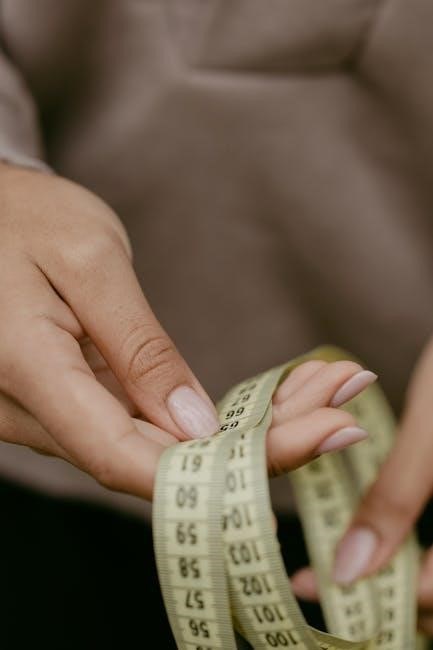
Employing a flexible tape measure is the most common and reliable method for determining your waist size for belt fitting․ Begin by standing relaxed, ensuring your stomach isn’t protruding or constricted․ Position the tape measure around your natural waistline – typically, this is the narrowest part of your torso, or roughly an inch above your belly button․
Make sure the tape is level all the way around, and avoid pulling it too tightly; a snug, but comfortable fit is ideal․ Read the measurement in inches or centimeters, depending on your preference and the sizing charts you’ll be referencing․ It’s beneficial to repeat the measurement a couple of times to ensure accuracy, averaging the results if there are slight variations․ Remember, this measurement is the foundation for selecting the correct belt size․

Measuring Over Clothing
Measuring over clothing offers a convenient alternative when a direct waist measurement isn’t immediately feasible, but requires careful consideration․ Wear the type of clothing you’d typically wear with the belt – this includes underwear and the style of pants you intend to pair it with․ This is crucial, as these layers add to your overall waist circumference․
Follow the same procedure as with a direct measurement: position the flexible tape measure around your natural waistline, ensuring it’s level and snug, but not constricting․ Add approximately two inches (or 5 centimeters) to this measurement to account for the clothing layers․ This adjusted figure will provide a more accurate basis for selecting your belt size, preventing a fit that’s too tight or loose․
Getting Help from Another Person
Seeking assistance from another person can significantly improve the accuracy of your waist measurement, especially if you find it difficult to reach around and maintain a level tape measure yourself․ Have the person stand behind you and wrap the flexible tape measure around your natural waistline, ensuring it’s snug but not overly tight․
Instruct them to keep the tape measure level all the way around, avoiding any tilting or bunching․ This ensures a consistent and reliable measurement․ Double-check that the tape measure is positioned at your natural waist – typically the narrowest part of your torso․ As with self-measurement, add two inches to this figure to determine your ideal belt size, accounting for clothing and comfortable fit․

Understanding Belt Size Charts
Belt size charts are essential tools, translating waist measurements into corresponding belt sizes, often displayed in both inches and centimeters for convenience․
Standard Belt Sizing (Inches)
Generally, standard belt sizing in inches follows a fairly predictable pattern, though variations exist between brands․ A size 30 belt typically fits a 28-inch waist, while a size 32 belt accommodates a 30-inch waist, and so on․ This commonly means adding two inches to your actual waist measurement to determine your ideal belt size․
Here’s a common breakdown: a 34-inch belt suits a 32-inch waist, 36-inch belts fit 34-inch waists, 38-inch belts are for 36-inch waists, 40-inch belts fit 38-inch waists, 42-inch belts suit 40-inch waists, and 44-inch belts are designed for 42-inch waists․ However, remember these are guidelines; always consult the specific brand’s size chart for the most accurate fit, as nominal sizes can differ significantly from actual measurements․
Understanding this baseline is crucial when shopping, especially online, where trying on isn’t possible․
Standard Belt Sizing (Centimeters)
When considering belt sizes in centimeters, it’s essential to convert your waist measurement accurately․ A waist measuring 70 to 76 cm generally corresponds to a size L belt, while a waist of 81 to 86 cm typically requires a size XL․ This conversion is vital for international shoppers or those preferring metric measurements․
To determine your belt size, measure your waist at its narrowest point using a soft tape measure․ Then, add approximately 5 cm (roughly 2 inches) to this measurement․ For example, a 75 cm waist would suggest an 80 cm belt․ Always prioritize checking the brand’s specific size chart, as variations occur․
Remember, these are approximate guidelines, and individual fit preferences may vary․
Brand-Specific Size Charts
Belt sizing isn’t standardized across all manufacturers; therefore, relying solely on a “one-size-fits-all” approach can lead to disappointment․ Each brand often implements its unique sizing system, meaning a size 34 belt from one company might fit differently than a size 34 from another․
When shopping online, always prioritize consulting the specific brand’s size chart․ These charts provide detailed measurements, correlating waist sizes with their corresponding belt sizes․ They often include instructions on how to accurately measure your waist for the best fit․
Ignoring these charts increases the risk of ordering an incorrectly sized belt, necessitating returns or exchanges․ Careful review ensures a comfortable and stylish fit․

Key Considerations When Choosing a Belt Size
Account for underwear and pants when measuring, adding roughly an inch to your waist size for accurate belt selection, ensuring a comfortable and secure fit․
Accounting for Underwear and Pants
Determining the correct belt size isn’t as straightforward as simply matching your pants waist measurement․ You must account for the additional space occupied by your underwear and pants themselves․ Typically, you’ll want a belt that’s approximately one inch wider than your actual waist or pants size․
This extra inch accommodates the bulk of the clothing layers, preventing the belt from being uncomfortably tight․ Failing to do so can lead to a belt that feels restrictive or doesn’t fasten properly․ Remember, a belt should comfortably cinch your waist, not constrict it!
Consider the thickness of your usual underwear and pants fabrics when making this adjustment․ Heavier materials will require a slightly larger belt size than lighter ones․
The “Inch Wider” Rule
A fundamental principle in belt sizing is the “inch wider” rule․ This guideline suggests selecting a belt one inch larger than your natural waist measurement or your pants’ stated size․ This seemingly small adjustment is crucial for a comfortable and functional fit, accounting for the space taken up by clothing layers․
Without this extra inch, the belt may feel too snug, especially when wearing thicker pants or multiple layers of clothing․ It ensures the belt can fasten securely without straining, and allows for comfortable movement․
This rule isn’t absolute, but it’s a reliable starting point․ Always prioritize comfort and adjust accordingly based on your body type and clothing preferences․
Optimal Hole Usage (3rd or 4th Hole)
A well-fitted belt isn’t just about the overall size, but also how it utilizes the available holes․ Ideally, you should aim to fasten your belt using the third or fourth hole from the buckle’s end; This placement provides a balanced distribution of the belt’s length and ensures a secure, comfortable fit․
Using holes closer to either end indicates either the belt is too large or too small, respectively․ Utilizing the middle holes allows for flexibility as your waist size fluctuates slightly, offering a more adaptable fit throughout the day․
A belt with holes strategically positioned ensures longevity and prevents unnecessary wear and tear on the leather․
Measuring an Existing Belt
To determine your belt size, measure from the buckle to the hole currently in use – typically the middle hole – for the most accurate reading․
Measuring from Buckle to Hole
Precisely measuring your existing belt from the buckle to the hole you commonly use is a crucial step in determining your ideal belt size․ Lay the belt flat on a surface and extend it straight․ Begin at the base of the buckle – where the belt attaches – and measure to the center of the hole you most frequently utilize․
This measurement, typically in inches or centimeters, represents the belt’s functional length․ Remember that belts don’t adhere to strict, standardized sizing; they often have nominal sizes․ A belt labeled “36 inches” might actually measure anywhere between 34 and 40 inches․
Focus on measuring the leather portion of the belt, excluding the buckle itself, to obtain an accurate representation of the usable length․ This method provides a reliable baseline for finding a replacement or ordering a new belt online․
Understanding Belt Length Variations
Belt sizing isn’t always straightforward due to significant variations between brands and manufacturers․ Unlike clothing sizes, belts often operate with “nominal” sizes, meaning a labeled size – like 34 or 36 – doesn’t guarantee a precise measurement․ A size 34 belt from one company could feel drastically different than one from another․
These discrepancies arise from differing manufacturing standards and interpretations of sizing․ It’s vital to avoid assuming your belt size is consistent across all brands․ Always prioritize measuring the actual length of a belt, rather than relying solely on the stated size․
Custom belt makers frequently encounter issues with customers providing incorrect measurements or simply stating their pants size, highlighting the importance of accurate belt length assessment․
Nominal vs․ Actual Belt Sizes
The difference between nominal and actual belt sizes is crucial for a proper fit․ Nominal size is the labeled size – the “36” or “38” you see on the belt – while the actual size is the precise measurement from the buckle prong to the middle hole․ Manufacturers often use nominal sizing for marketing consistency, but it doesn’t reflect the true length․
A nominally sized 36-inch belt might actually measure anywhere from 34 to 40 inches․ This variation means relying solely on the labeled size can lead to a poorly fitting belt․ To determine the actual size, measure the belt from the buckle to the center hole, excluding the buckle itself․
This accurate measurement is key when purchasing belts, especially online, where trying them on isn’t possible․
Online Belt Shopping Tips
When buying belts online, prioritize utilizing brand-specific sizing charts and carefully review return policies for hassle-free exchanges if the fit isn’t perfect․
Utilizing Online Sizing Charts
Online retailers frequently provide detailed sizing charts, which are invaluable tools for determining the correct belt size before making a purchase․ These charts typically correlate waist measurements with corresponding belt sizes, often in both inches and centimeters․
However, remember that belt sizes aren’t standardized; a size 36 belt from one brand might differ slightly from another; Always consult the specific chart for the brand you’re considering․
Pay close attention to the instructions on how to take your waist measurement – ideally, measure at your natural waistline, not over clothing, for the most accurate result․ Some charts even offer guidance on adding two inches to your waist measurement to arrive at the appropriate belt size․ Don’t rely solely on your pants size, as it can be misleading․
Checking Return Policies
When purchasing belts online, a flexible return policy is crucial, given the potential for sizing discrepancies between brands and the inability to try the belt on beforehand․ Before completing your order, carefully review the retailer’s return policy to understand the conditions for returns and exchanges․
Look for policies that allow for free returns, especially if the sizing chart proves inaccurate․ Note any time limits for returns and whether you’re responsible for return shipping costs․
A generous return policy provides peace of mind, allowing you to confidently order a belt and return it if it doesn’t fit perfectly․ Don’t hesitate to contact customer service if the return policy is unclear or if you have any questions before making your purchase․
Reading Customer Reviews Regarding Sizing
Customer reviews can be an invaluable resource when navigating online belt shopping, particularly concerning sizing accuracy․ Many reviewers share their experiences with how a specific belt fits compared to their actual waist size or typical belt size․
Pay attention to comments mentioning whether the belt runs true to size, large, or small․ Look for reviews from customers with similar body types or waist measurements to yours․
Specifically, search for keywords like “sizing,” “fit,” or “waist size” within the review section․ This can quickly highlight relevant feedback․ Remember that sizing can vary significantly between brands, making customer insights particularly helpful in making an informed decision․

Belt Size and Waist Circumference Relationship
Generally, add two inches to your waist measurement to determine your ideal belt size, accounting for underwear and pants thickness for a comfortable fit․
Waist Measurement Plus Two Inches
Determining the correct belt size often begins with your waist circumference, but it’s crucial to remember that your belt shouldn’t match your waist measurement exactly․ A common guideline suggests adding two inches to your waist measurement to arrive at your appropriate belt size․
This addition accounts for the space occupied by your clothing – specifically, your underwear and pants – when worn․ Without this extra allowance, the belt might feel uncomfortably tight or restrict your movement․ It’s a simple yet effective method for achieving a more accurate and comfortable fit․
However, remember this is a general rule; individual preferences and pant styles can influence the ideal fit․ Always consider the thickness of your usual pants and underwear when applying this guideline․
Converting Waist Measurement to Belt Size
Translating your waist measurement into a corresponding belt size requires referencing a reliable size chart, as conversions aren’t always straightforward․ While adding two inches to your waist is a good starting point, size charts provide more specific guidance, especially considering brand variations․
For example, a 70 to 76 cm waist measurement often corresponds to a size Large (L) belt․ These charts typically list waist circumferences in both centimeters and inches, alongside their equivalent belt sizes․ Remember that belt sizes are often “nominal,” meaning they represent an approximate measurement․
Always prioritize checking the specific brand’s size chart, as sizing can differ significantly․ Utilizing these resources ensures a more accurate selection and minimizes the risk of ordering an ill-fitting belt․
Size Table Reference
A comprehensive size table is crucial for accurate belt selection, bridging the gap between waist measurements and corresponding belt sizes․ These tables typically present a range of waist circumferences, expressed in both inches and centimeters, alongside their recommended belt sizes – often denoted as S, M, L, XL, or numerical sizes․
For instance, a waist of 30-32 inches generally equates to a size 34 belt, while a 36-38 inch waist might require a size 40 belt․ However, remember these are general guidelines; brand-specific charts are paramount․
Always consult the retailer’s provided table, as nominal sizing can vary․ A well-structured table will clearly indicate the belt length associated with each waist size, aiding in a confident purchase․